
Import Alerts 101: Why the FDA Detains Your Shipment Without Even Opening the Box : DWPE Explained
FDA detained your import without inspecting it? Here's what DWPE actually means, why it happens, and how to get your shipment released.
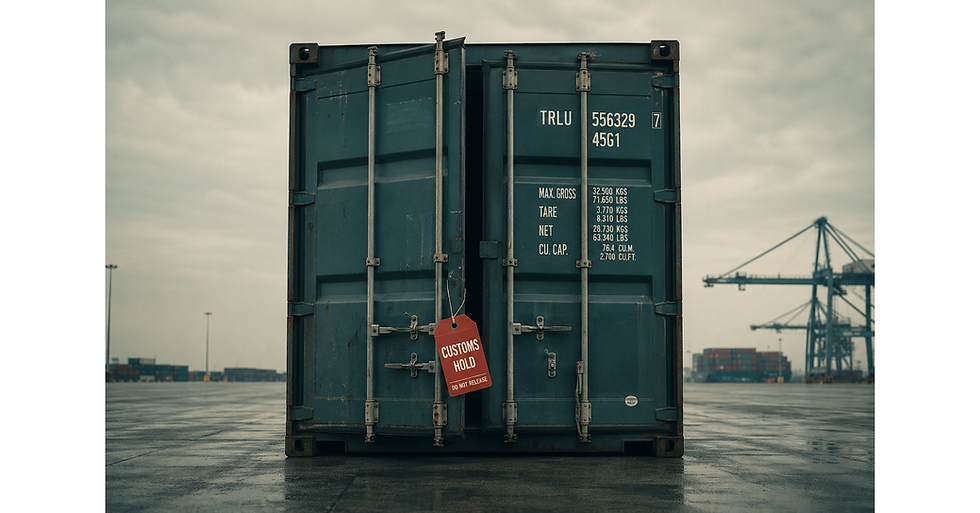
Picture this. Your container clears customs, your paperwork is spotless, your product has crossed this same border a dozen times without a hitch and then a detention notice shows up. Nobody opened a single box. Nobody ran a test. The FDA just... detained it.
If you've ever stared at that notice wondering what you did wrong, here's the uncomfortable answer: maybe nothing. Welcome to DWPE Detention Without Physical Examination, one of the stranger corners of FDA import law, and one that catches even experienced importers off guard.
Wait, FDA Can Detain Something It Hasn't Even Looked At?
Yes. And it's not a glitch ,Normally you'd assume a government agency needs to actually examine a product before deciding it's a problem. That's how physical exams work. But DWPE flips the order entirely. Once a product, manufacturer, or even an entire country lands on FDA's radar through something called an Import Alert, every future shipment matching that profile can be detained automatically with no sampling, no lab work, no case-by-case judgment call.
The legal muscle behind this comes from Section 801(a)(3) of the Food, Drug & Cosmetic Act. The key word in that statute is "appear." The FDA doesn't need proof that your shipment is bad. It only needs the shipment to appear to violate the law based on information it already has usually about the supplier, not about your specific box.
That's a subtle but massive distinction, and it's the whole reason DWPE feels so unfair when it happens to you.
How a Product Ends Up on FDA's Radar in the First Place
Import Alerts don't come out of nowhere. FDA issues one after spotting a pattern of repeated violations, a failed facility inspection, contamination that keeps showing up from the same region. Once the alert exists, FDA sorts everyone touched by it into three buckets:
The Red List is the one nobody wants to be on. If your firm, product, or country sits here, expect every shipment to be detained automatically going forward.
The Green List is the opposite of the companies that proved, with hard evidence, that their specific product doesn't have the problem the rest of the alert is about. They get to keep shipping normally even while their competitors or their country stays flagged.
The Yellow List sits in between. Shipments here get reviewed case by case instead of an automatic stop.
To make this less abstract: Import Alert 45-02 covers foods with illegal or undeclared color additives, a violation FDA has chased for decades across dozens of countries. Import Alert 66-40 hits pharmaceutical manufacturers that failed a CGMP inspection meaning their manufacturing process, not any individual batch, is the actual problem. Import Alert 99-15 goes even broader, allowing FDA to detain entire categories of agricultural products from specific countries over pesticide residue history.
Here's the part that trips people up: none of these alerts care whether your shipment is actually contaminated or mislabeled. If your supplier is on the Red List, you're detained by association. It doesn't matter if your batch tested clean in a lab in another country three weeks ago.
Why Does FDA Even Operate This Way?
FDA can't physically inspect every one of the millions of shipments entering U.S. ports each year; there simply aren't enough inspectors or lab hours in the world. DWPE is essentially a triage system. Instead of spreading scrutiny evenly and thinly, FDA concentrates its limited resources on the importers, products, and regions that have already shown a pattern of risk. But that doesn't make it any less painful when your cargo is sitting in a warehouse racking up demurrage fees.
Okay, My Shipment Is Detained. Now what?
This is where a lot of importers make a costly mistake: they try to fight the wrong battle. There are actually two separate problems here, and they need two separate solutions.
Problem one: getting this particular shipment released. For this, you or your customs broker submit evidence directly to the FDA district office handling your entry private lab results, certificates of analysis, supporting documentation proving that this specific shipment doesn't have the issue the alert is targeting.
Problem two: getting your supplier off the Red List for good. This is the longer game. FDA wants proof the underlying issue has actually been fixed by a new ingredient supplier, corrected labeling, remediated manufacturing practices and it usually wants that proof demonstrated over a string of clean shipments, not just one. Some alerts specifically require twelve consecutive violation-free entries, each verified by an accredited lab, before FDA will even consider removal.
FDA lays out the formal removal process in its Regulatory Procedures Manual, Chapter 9-8, and petitions generally route through the agency's Division of Import Operations. It's paperwork-heavy and it's slow. Budget for that reality up front instead of being surprised by it later.
The Real Lesson Here
DWPE means your compliance risk isn't just about you, it's about everyone upstream of you. Your own facility can be spotless and your labeling can be textbook-perfect, and your shipment can still get stopped cold because of a manufacturer you've never met having a bad audit two years ago.
The smart move is checking FDA's Import Alert database before you sign with an overseas supplier, not after your container is already sitting in a bonded warehouse. FDA publishes the full list publicly, searchable by country, industry, and alert number, a five-minute search that can save you a very expensive surprise.
Navigating DWPE isn't something most importers should have to figure out alone, especially mid-detention with demurrage fees piling up by the day. If your shipment is stuck right now, or you want a supplier checked against active Import Alerts before you commit to a contract, that's the kind of problem Proffer Compliance works through with clients every day.
Getting detained doesn't automatically mean you did something wrong. But getting released and staying off the list permanently takes the right documentation, the right patience, and knowing exactly which of the two fights above you're actually in.
Let's connect proffer.in


Comments