

FDA Import Alert Removal Process: Time, Cost, and Complexity
For food importers, few situations are as disruptive as an FDA Import Alert. It doesn't just block a single shipment it halts your entire business relationship with the U.S. market until the issue is fully resolved. Yet while the concept is straightforward, the path to removal is anything but. Here's what you need to know.
What Is an Import Alert?
When the FDA has evidence that an imported product violates regulations, the agency can recommend that the product and/or company be placed on an Import Alert "Red List." This results in Detention Without Physical Examination (DWPE) for all future shipments until the alert is resolved.
Each import alert targets a specific violation of pesticides in a product, Salmonella contamination, or improper labeling, for example. At the end of February 2023, there were more than 2,000 active Import Alerts spanning 170 countries, with the greatest shipment volumes coming from China, Mexico, Canada, and India.
The Hidden Cost of DWPE :
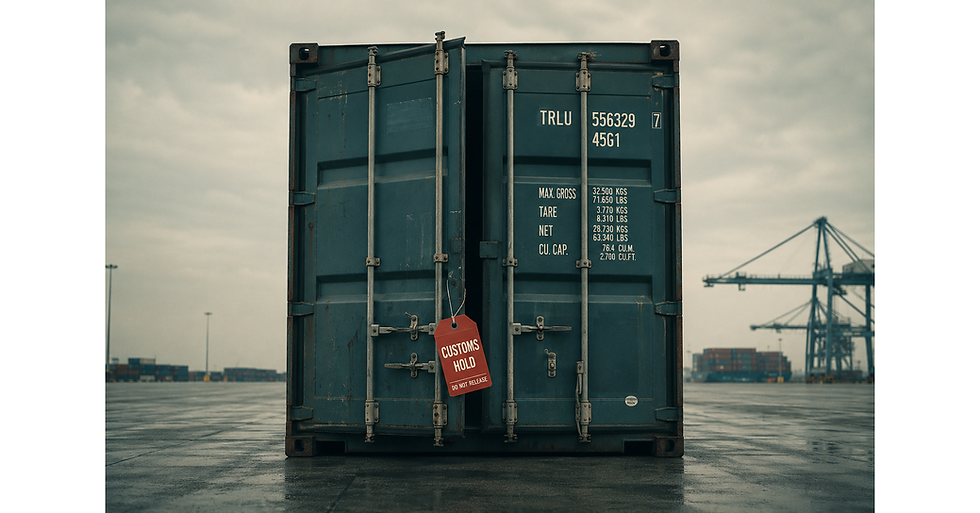
Here's where the pain really sets in. A company on an import alert isn't technically banned from exporting to the U.S. but reshipment is held at the port and only released if an approved lab tests it for the agent of concern and the FDA accepts the results.
The critical detail? The importer bears the entire cost testing, holding, and delays. Each shipment can take weeks to clear. Multiply that across multiple shipments, and the financial impact becomes severe.
What It Takes to Get Off the Red List ?
In simple terms, removal requires proving that the conditions causing the violation are resolved. In practice, it's a rigorous, evidence-heavy process involving four key components:
1. Root cause analysis a complete, well-developed investigation into the source of the violation (which can take weeks or months)
2. Corrective and preventive actions implemented and documented
3. Verification evidence that the corrections actually address the root cause
4. Five consecutive compliant shipments released by FDA through the hold-and-testing process
Only after all four factors are complete should a petition be submitted. In some cases, FDA may accept a petition earlier if the root cause analysis and corrective action plan are convincing but with the condition that five consecutive shipments still follow under the new controls.
What Goes Into the Petition ?
A complete petition for removal typically includes:
· Cover letter noting the Import Alert number, firm name and address, products requesting removal, and entry numbers of released shipments
· Supporting evidence root cause analysis, corrective/preventive measures, verification, lab analyses, third-party audits, training records, certificates of analysis, and more
Why Petitions Get Rejected ?
Once the FDA issues its decision letter, the case is closed. If your petition is denied, you must start over with a brand-new petition meaning months more of disruption. Common reasons for denial include:
· Failure to submit the steps taken to correct violations
· Failure to provide evidence that future shipments will comply
· Failure to submit entry documentation for five consecutive compliant shipments
· Failure to include other required information
· Reoccurrence of the violation
Get It Right the First Time
Import alerts are enormously costly for affected businesses, and the removal process is complex and unforgiving. A rejected petition can mean many more months of lost business. That's why it's essential to approach the process strategically with thorough root cause work, verified corrective actions, and a well-constructed petition.
This is exactly where expert regulatory guidance pays for itself. From gap analyses and documentation review to writing the petition and liaising directly with the FDA, experienced consultants can help you navigate the process and achieve Green Light Status faster, and without costly missteps.
Facing an import alert? Don't wait. The sooner the root cause work begins, the sooner your shipments can move again.
Have you dealt with an FDA Import Alert before? Share your experience in the comments or reach out if you need help navigating the removal process.
How Proffer Global Can Help You
Proffer Global provides end-to-end export compliance solutions for brands across food, supplements, cosmetics, pharmaceuticals, medical equipment, beverages, and more. We conduct thorough pre-shipment checks to help your shipments move smoothly through customs and avoid detention or rejection. If your company is on the Import Alert Red List, our team guides you through a structured resolution process including root cause analysis, lab testing, corrective action planning, and legal petitioning. Our proprietary Compliance AI tool also reviews product labels and recommends corrective actions before shipment, helping you catch issues early and avoid costly delays.
We're here to support you every step of the way. Our deep expertise in resolving shipment issues at U.S. ports can help your company achieve full, ongoing compliance reducing risk and keeping your products moving without disruption.
Get in touch: Reach out via our contact form, or write to us directly at ops@proffer.in


Comments